
How The Age Of The Earth Impacts Our Relationship With God
As a matter of fact...
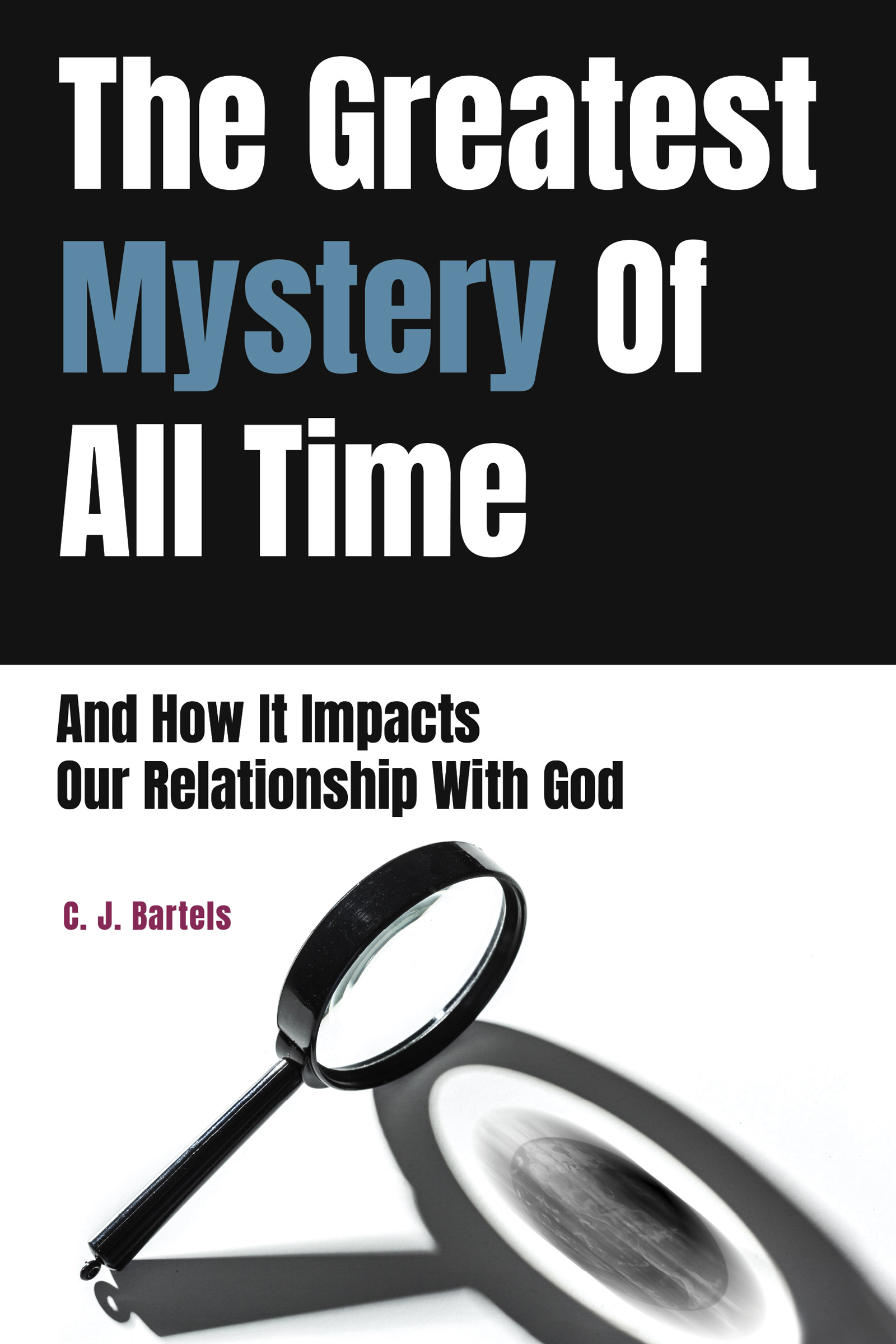
Look out the window of an airplane and the world begins to change. Rivers stretch across continents like veins. Vast sediment layers sweep across deserts. Canyons cut through miles of rock as though shaped by forces far greater than a quiet stream. The longer you look, the harder it becomes to avoid a simple question: What kind of history created the world we see?
Modern science offers one answer. According to prevailing models, the universe began nearly fourteen billion years ago, and the Earth formed about 4.5 billion years ago. Within this vast timeline, humanity appears only in the final moments of a cosmic story stretching across unimaginable ages. Yet the biblical narrative tells a very different story. From Genesis onward, Scripture presents creation, the fall, the flood, and the rise of early civilizations as the opening chapters of a connected human history—one measured not in billions of years, but in thousands.
Index
Introduction
- WHY TIME CHANGES HOW WE SEE GOD – (8)
- THE BIBLICAL TIMELINE – (13)
- THE RISE OF DEEP TIME – (22)
- THE LANGUAGE OF GENESIS – (30)
- THE FOSSIL RECORD – (36)
- FLOOD GEOLOGY VS. UNIFORMITARIANISM – (45)
- ANCIENT CREATURES AND THE MYSTERY OF LOST WORLDS – (52)
- A YOUNG CREATION: GOD CLOSE TO HISTORY – (60)
- A UNIVERSE OF BILLIONS OF YEARS: GOD BEYOND TIME – (64)
- COMPARING THE MODELS – (70)
- WHAT THE BIBLE CLAIMS TO TELL US – (81)
- A CASE FOR A WORLD THAT MAY NOT BE AS OLD AS WE THINK – (87)
- Conclusion – WHY THE AGE OF THE WORLD MATTERS – (91)
- Epilogue – Are You Actually Curious – (94)
- A CASE FOR A WORLD THAT MAY NOT BE AS OLD AS WE THINK – (87)
References
Coming Soon
104 Pages In Length – Approximately 3 Hrs 12 Minute Read
Sample Chapter
Why Time Changes How We See God
Index
Introduction
- WHY TIME CHANGES HOW WE SEE GOD – (8)
- THE BIBLICAL TIMELINE – (13)
- THE RISE OF DEEP TIME – (22)
- THE LANGUAGE OF GENESIS – (30)
- THE FOSSIL RECORD – (36)
- FLOOD GEOLOGY VS. UNIFORMITARIANISM – (45)
- ANCIENT CREATURES AND THE MYSTERY OF LOST WORLDS – (52)
- A YOUNG CREATION: GOD CLOSE TO HISTORY – (60)
- A UNIVERSE OF BILLIONS OF YEARS: GOD BEYOND TIME – (64)
- COMPARING THE MODELS – (70)
- WHAT THE BIBLE CLAIMS TO TELL US – (81)
- A CASE FOR A WORLD THAT MAY NOT BE AS OLD AS WE THINK – (87)
- Conclusion – WHY THE AGE OF THE WORLD MATTERS – (91)
- Epilogue – Are You Actually Curious – (94)
- A CASE FOR A WORLD THAT MAY NOT BE AS OLD AS WE THINK – (87)
References
The Question of Time
__________
When people think about the age of the universe, they usually assume they are thinking about science alone. The subject appears to belong to astronomers, geologists, and physicists debating measurements, timelines, and evidence. Yet beneath the technical language lies something far more personal—The age we assign to the world quietly reshapes the story we believe we are living in.
If the universe is billions of years old, humanity arrives very late in the narrative. If creation is recent, humanity stands near the beginning. In one story we appear as a late development in a vast cosmic process. In the other, we appear near the center of a newly created world. The difference is not merely scientific. It is existential. It changes how people imagine their place in history—and how they imagine God.
Time is not merely a measurement. It is part of the architecture of meaning. It shapes how near or far origins feel, how central or incidental humanity appears, and how immediate or distant the activity of God seems in relation to the world. When the scale of the story changes, the way people imagine God’s relationship to history often changes with it.
Most people do not consciously reflect on this influence. They simply inherit a picture of reality and begin living within it. The timeline they accept becomes the background against which every other question about existence is framed. Whether the world is believed to be thousands of years old or billions of years old, that assumption quietly influences how people understand history, purpose, and the place of humanity in the universe.
Consider how dramatically the scale changes depending on the timeline that is assumed. If the universe is billions of years old—as modern cosmology suggests—then humanity occupies only the final moments of a very long story. Stars form, galaxies expand, planets emerge, and life slowly develops across immense stretches of time before human beings appear. Within such a framework, human history represents only a tiny fraction of cosmic history.
But if creation is recent, the story looks very different. Humanity stands near the beginning of the world rather than near the end of a long cosmic process. The earliest events described in Scripture—creation, the fall, the flood, and the formation of early civilizations—occur close to the origin of the world itself. In this picture, the biblical narrative is not a late religious layer placed on top of an ancient natural history. It is the opening chapter of human history.
The psychological difference between these two frameworks is profound. Human beings instinctively connect meaning with beginnings. The closer an event stands to the origin of a story, the more foundational it appears. When the origin of the world is placed billions of years in the past, the events described in Scripture may begin to feel distant from the structure of reality itself. When creation is placed near the beginning of human history, those events appear much closer to the foundation of the world we inhabit.
The Bible itself presents the story of creation in a way that naturally raises this question. The opening words of Scripture are direct and unambiguous: “In the beginning God created the heavens and the earth” (Genesis 1:1). The text then proceeds immediately into a narrative describing the ordering of the world and the creation of humanity. Genesis 1:26–27 describes human beings as created in the image of God, uniquely placed within the created order. Genesis 2 portrays God forming the first man and woman and placing them in a garden environment. Genesis 3 describes the entrance of moral conflict into the human story.
From that point forward, the narrative continues through genealogies, historical events, and the development of human civilization. Genesis 5 links Adam to later generations through a sequence of fathers and sons. Genesis 11 connects those generations to Abraham. The rest of the Bible continues the story through the formation of Israel, the writings of the prophets, and eventually the life and teachings of Jesus Christ.
For many readers throughout Jewish and Christian history, this structure suggested that the Bible was presenting a continuous account of human history beginning near the origin of the world. Early interpreters often attempted to calculate the number of years represented by the genealogies and historical references found throughout Scripture. While the exact calculations varied, the general conclusion was consistent: human history appeared to span thousands of years rather than millions.
This understanding shaped the worldview of most civilizations influenced by the Bible for many centuries. The world was understood as a creation brought into existence by God, and the biblical narrative was seen as the historical record of humanity’s earliest generations and their relationship with the creator.
Over the past two centuries, however, the development of modern science introduced a dramatically different picture of time. Geological research, radiometric dating, and astronomical observations gradually produced a model in which the earth is approximately 4.5 billion years old and the universe roughly 13.8 billion years old. Within this framework, human civilization occupies only the most recent moment of a very long cosmic history.
These discoveries were not the result of a single experiment or observation. They emerged through the cumulative work of many scientists examining rock layers, radioactive elements, distant galaxies, and the structure of the cosmos itself. The resulting model of deep time became one of the defining ideas of modern science.
The emergence of this new timeline did more than change scientific textbooks. It reshaped the intellectual environment in which modern people think about the world. When the universe is understood as billions of years old, the events described in Scripture appear within a much larger cosmic story. The biblical narrative may still be meaningful to believers, but it now occupies a very small portion of an immense timeline.
This shift in perspective has influenced not only scientific discussions but also the way many people imagine God. In a shorter historical framework, God’s creative and redemptive actions occur near the beginning of human history. In a deep-time framework, creation lies billions of years in the past, and God is often imagined as the distant origin of natural processes rather than as an active participant in the early development of human civilization.
It is important to recognize that these differences do not automatically determine what someone believes about God. Many scientists who accept an ancient universe also maintain strong religious faith. Others see the vastness of the cosmos as evidence of divine creativity rather than as a challenge to belief. Yet the psychological influence of time remains powerful. The timeline we accept inevitably shapes the story we think we are living in.
This book begins with a simple but far-reaching question: does the age of the world change how we perceive God?
If the universe is unimaginably ancient, humanity appears very late in the story of creation. If the world is much younger, the events described in Scripture stand much closer to the beginning of human history. Each possibility creates a different narrative about the relationship between God, humanity, and the world.
Before attempting to answer that question, however, we must first examine the timeline presented by the Bible itself. What kind of historical framework does Scripture appear to describe? How did earlier readers understand the chronology of the biblical narrative? And how did modern science arrive at the concept of deep time that now dominates contemporary thought?
To explore these questions, we turn first to the biblical text and examine the timeline that emerges from its pages. (Read more in “The Greatest Mystery Of All Time” — Coming Soon)

Matter Of Fact Books
Publishing What Matters Most
What's Behind Matter Of Fact Books
Matter of Fact Books is not the work of one person. It is inspired by God and shaped through Scripture, conviction, and years of deep conversation—often around a table with an amazing group of friends, a glass of scotch, and a refusal to accept shallow answers. We’re not here to shout opinions. We’re here to present facts, side-by-side truth, and clear reasoning—so readers can examine what they believe, why they believe it, and whether it aligns with what they claim to profess.
Matter Of Fact Books
Click image to find out more.



Matter Of Fact Books
Our books are priced to sell and change lives.