
The Impossibility of Neutrality
As a matter of fact...
Index
Why – (4)
THE Seven ARGUMENTS Used To Prove There Is No God
The Atheist – (7)
- Morality: Is Right and Wrong Real—or Invented? – (40)
- Origins: Did the Universe Require a Cause? – (51)
- The Laws of Nature: Accident or Calibration? – (65)
- Reason and the Mind: Can Materialism Explain Thought? – (87)
- Jesus of Nazareth: History, Legend, or Resurrection? – (103)
- Meaning and Longing: Why Do Humans Seek More Than Survival? – (135)
- Atheism Examined: Does It Fully Explain the World? – (162)
The Turning of the Mind – (173)
Conclusion – (179)
References
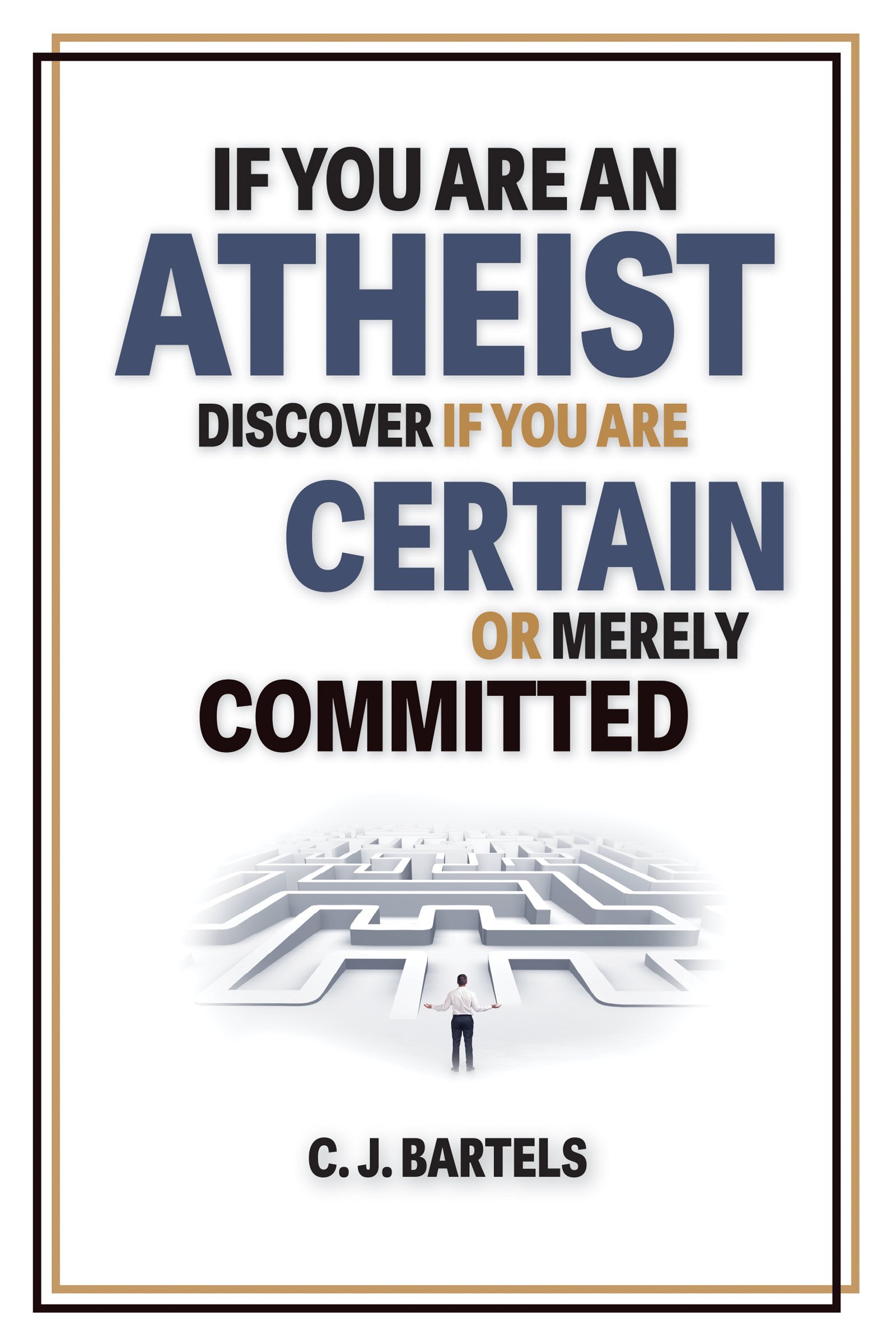
For Booksellers and Retailers
If you are a bookseller, you can purchase through Ingram using ISBN - 978-0-9715734-6-8 at a discounted rate. — Available Globally.
From: If You Are An Atheist, Discover If You Are Certain or Merely Committed
Why This Book Was Written
Index
Why – (4)
THE Seven ARGUMENTS Used To Prove There Is No God
The Atheist – (7)
- Morality: Is Right and Wrong Real—or Invented? – (40)
- Origins: Did the Universe Require a Cause? – (51)
- The Laws of Nature: Accident or Calibration? – (65)
- Reason and the Mind: Can Materialism Explain Thought? – (87)
- Jesus of Nazareth: History, Legend, or Resurrection? – (103)
- Meaning and Longing: Why Do Humans Seek More Than Survival? – (135)
- Atheism Examined: Does It Fully Explain the World? – (162)
The Turning of the Mind – (173)
Conclusion – (179)
References
__________
This book was written for those who take truth seriously—including those who currently believe that God does not exist.
For many, atheism appears to be the final intellectual destination: the point where superstition has been discarded, religion has been outgrown, and reason alone stands as the highest authority. It presents itself as the mature conclusion of human thought—the place one arrives after shedding comforting illusions in favor of hard reality. But for countless others—philosophers, scientists, historians, and ordinary people alike—atheism did not prove to be the end of the journey. It became a question mark rather than an answer. And in many cases, it collapsed not because of religious pressure, but because it stopped explaining the world honestly.
The chapters that follow examine the primary reasons atheists, as well as skeptics, agnostics, rationalists, empiricists, materialists, secularists, and the wounded and disillusioned, give for believing that there is no God—and the arguments they often use to challenge those who do believe in one. Alongside each of those claims, the alternative case is presented as clearly and fairly as possible. Together, these chapters explore the major fault lines where the modern doubter’s claims most often break—not emotionally, not culturally, but intellectually and existentially:
- The reality of objective morality
- The origin of the universe
- The fine-tuning of physical law
- The existence of reason itself
- The historical case for Jesus and the resurrection
- The human hunger for meaning, love, and eternity
- The internal coherence of atheism’s own claims
These arguments are not arranged to overwhelm, but to reflect the way many people have actually moved in their search for truth. Rarely does one insight settle everything. More often, it is a slow accumulation of tension, a growing awareness that some explanations illuminate while others obscure, and that certain questions simply refuse to go away.
This book does not assume that Christianity is true at the outset, so eliminate that assumption. It begins where many skeptics actually start: with the universe itself, with thought and conscience, with justice and suffering, with beauty and love, with life and death—the unavoidable features of human existence that demand interpretation regardless of one’s beliefs.
You may finish this book convinced that God exists. You may still be uncertain. But if you read it honestly, you are unlikely to finish unchanged. Because the question this book ultimately presses is not whether belief is easy or comforting, it is whether unbelief is still coherent.
Matter Of Fact Books Highlighted Series
Click image to find out more.
For Atheists, Agnostics, or even theChristian that wants to discover why belief in a creator is more rational than you may think.
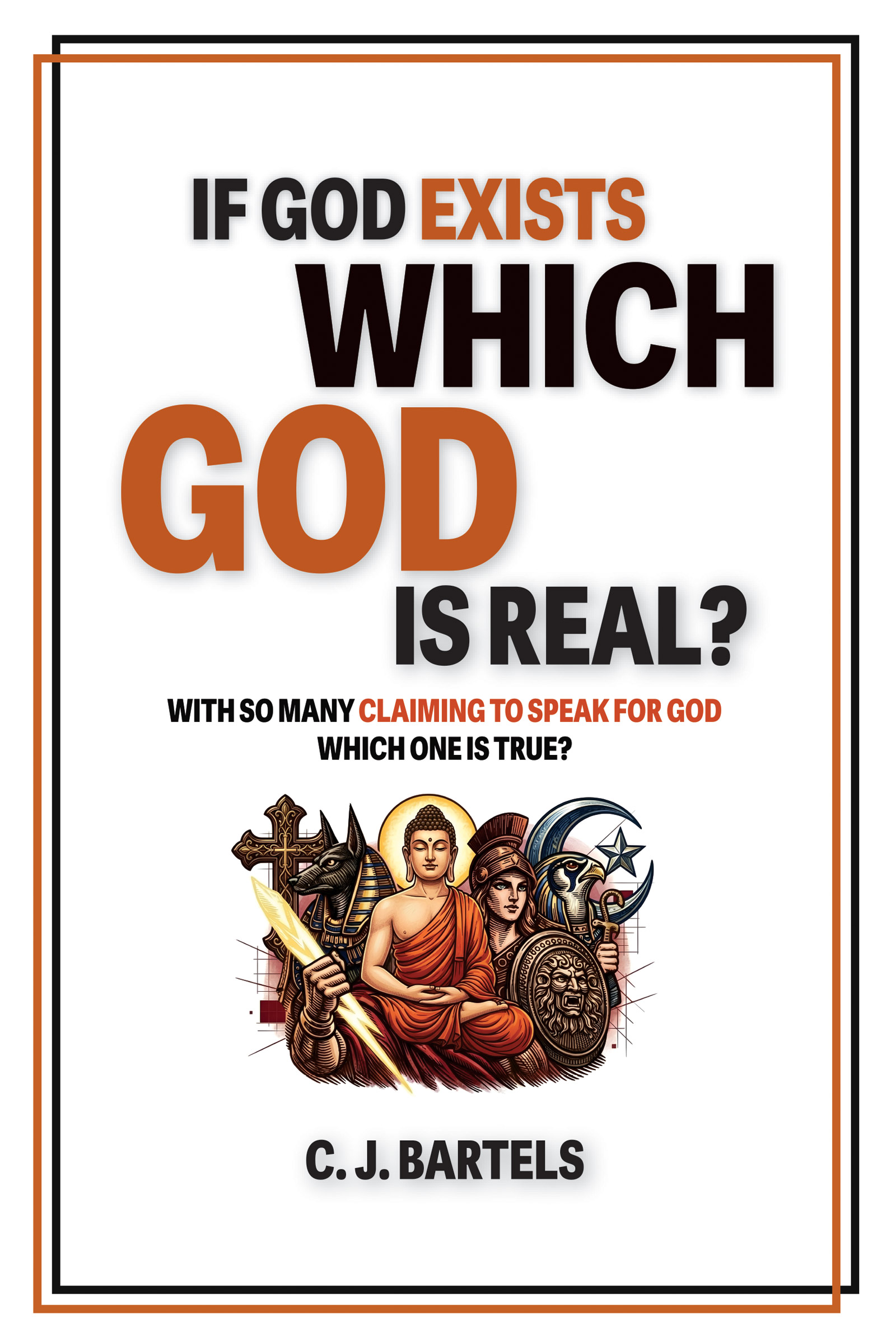
For anyone seeking to discover whether all religions lead to God—or whether one alone reveals who He truly is.
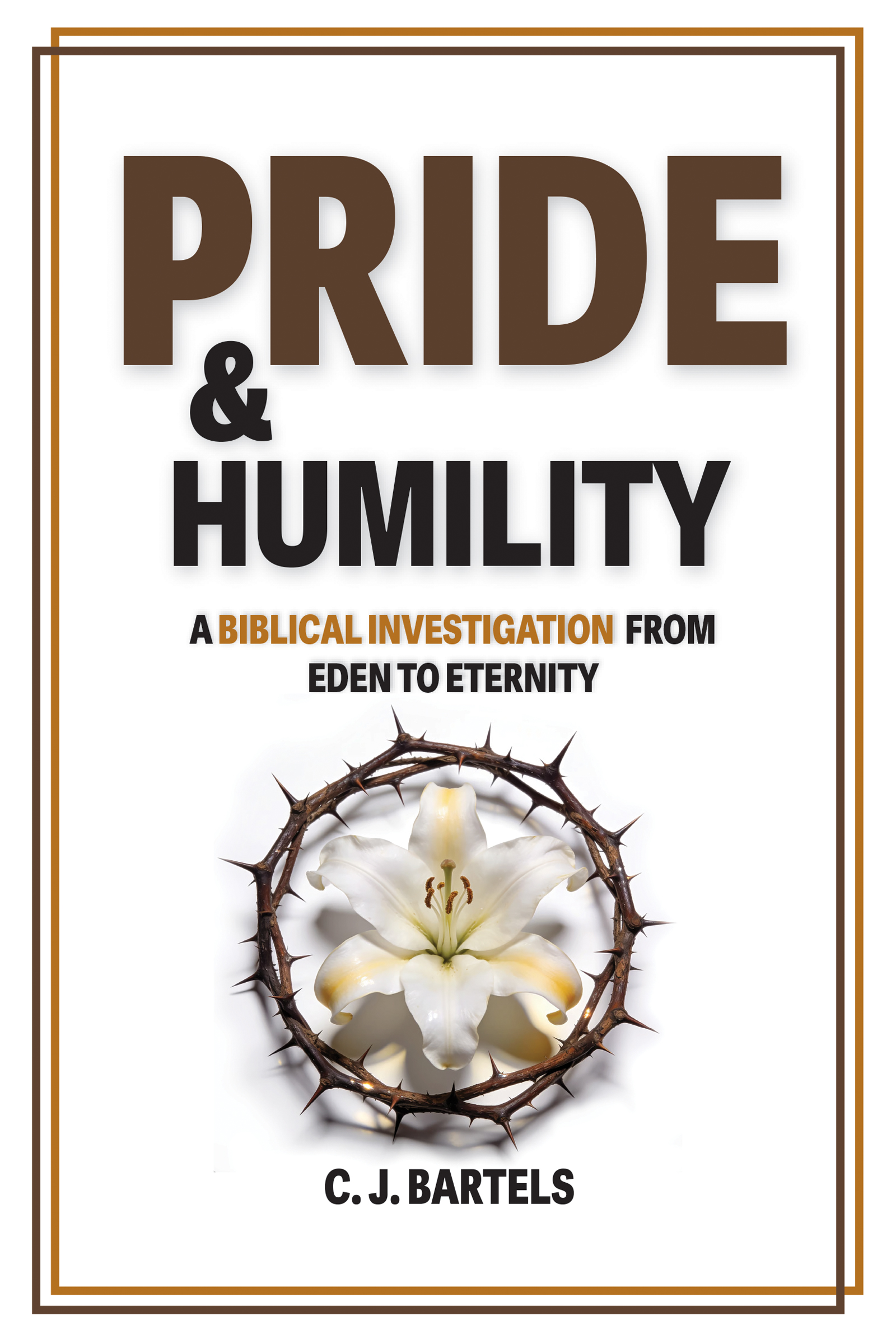
For anyone seeking to discover why the greatest obstacle to knowing God may not be disbelief—but pride.
Additional Matter Of Fact Books
Click image to find out more.
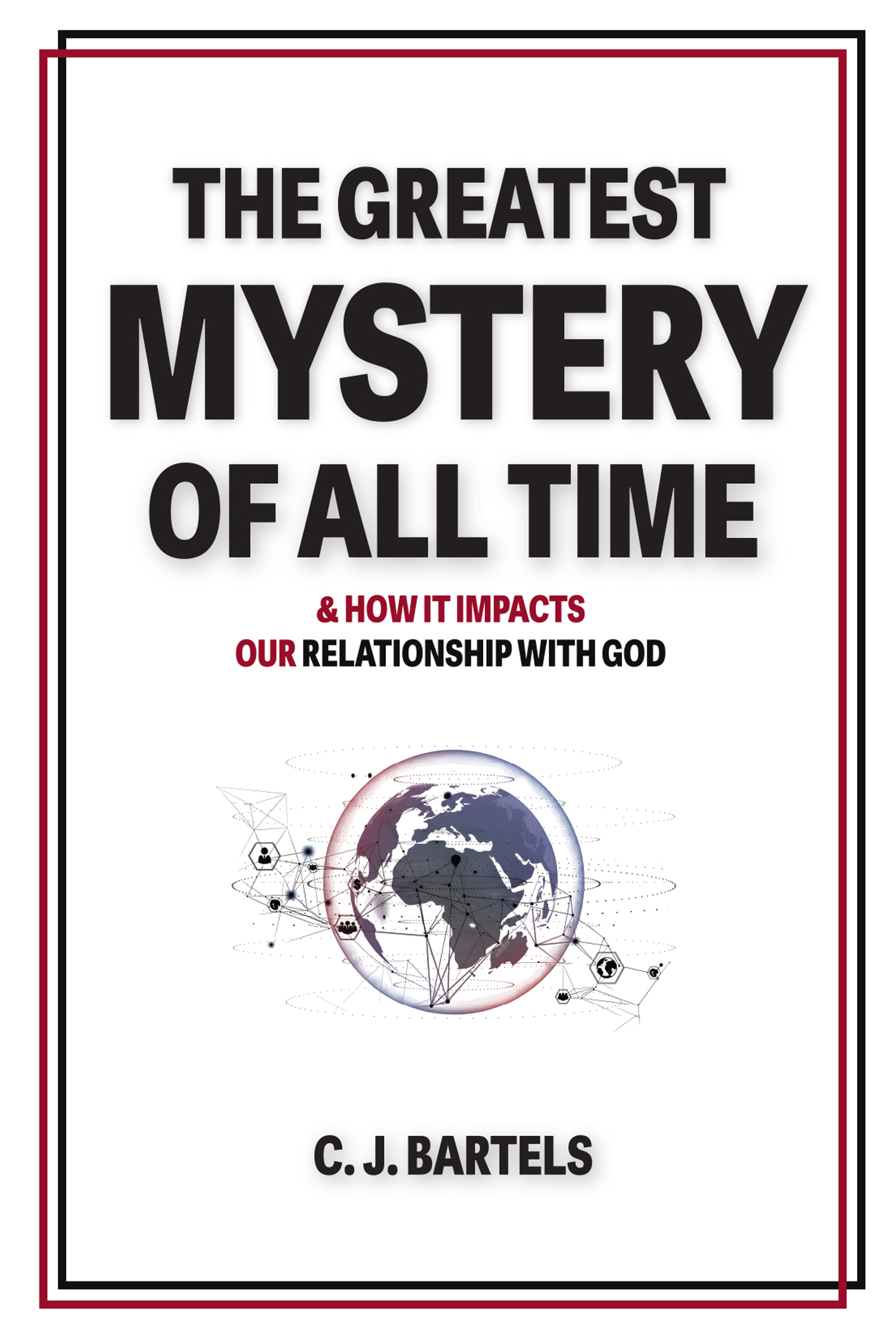



Matter Of Fact Books
Our books are priced to sell and change lives.