
How The Age Of The Earth Impacts Our Relationship With God
As a matter of fact...
Look out the window of an airplane and the world begins to change. Rivers stretch across continents like veins. Vast sediment layers sweep across deserts. Canyons cut through miles of rock as though shaped by forces far greater than a quiet stream. The longer you look, the harder it becomes to avoid a simple question: What kind of history created the world we see?
Modern science offers one answer. According to prevailing models, the universe began nearly fourteen billion years ago, and the Earth formed about 4.5 billion years ago. Within this vast timeline, humanity appears only in the final moments of a cosmic story stretching across unimaginable ages. Yet the biblical narrative tells a very different story. From Genesis onward, Scripture presents creation, the fall, the flood, and the rise of early civilizations as the opening chapters of a connected human history—one measured not in billions of years, but in thousands.
Index
Introduction
Part 1
- WHY TIME CHANGES HOW WE SEE GOD – (7)
- THE BIBLICAL TIMELINE – (15)
- THE RISE OF DEEP TIME – (23)
Part 2
- THE LANGUAGE OF GENESIS – (33)
- THE FOSSIL RECORD – (40)
- FLOOD GEOLOGY VS. UNIFORMITARIANISM – (49)
- ANCIENT CREATURES and Dragon Traditions – (57)
Part 3
- A YOUNG CREATION: GOD CLOSE TO HISTORY – (69)
- A UNIVERSE OF BILLIONS OF YEARS: GOD BEYOND TIME – (75)
- Why Modern Culture Often Feels Distant from God – (81)
Part 4
- THE STORIES WE LIVE WITHIN – (87)
- WHAT THE BIBLE CLAIMS TO TELL US – (93)
- Did Death Exist Before the Fall? – (98)
- HOW DO HUMAN BEINGS INFER AGE & HISTORY FROM APPEARANCE? – (104)
- If the Stars Are So Far Away, Why Can We See Them? – (109)
- A Universe Precisely Set for Life – (115)
- More Than Matter: The Mystery of Human Consciousness – (120)
Part 5
- Why the Age of the World Matters – (129)
Sample Chapter
Why Time Changes How We See God
Index
Introduction
Part 1
- WHY TIME CHANGES HOW WE SEE GOD – (7)
- THE BIBLICAL TIMELINE – (15)
- THE RISE OF DEEP TIME – (23)
Part 2
- THE LANGUAGE OF GENESIS – (33)
- THE FOSSIL RECORD – (40)
- FLOOD GEOLOGY VS. UNIFORMITARIANISM – (49)
- ANCIENT CREATURES and Dragon Traditions – (57)
Part 3
- A YOUNG CREATION: GOD CLOSE TO HISTORY – (69)
- A UNIVERSE OF BILLIONS OF YEARS: GOD BEYOND TIME – (75)
- Why Modern Culture Often Feels Distant from God – (81)
Part 4
- THE STORIES WE LIVE WITHIN – (87)
- WHAT THE BIBLE CLAIMS TO TELL US – (93)
- Did Death Exist Before the Fall? – (98)
- HOW DO HUMAN BEINGS INFER AGE & HISTORY FROM APPEARANCE? – (104)
- If the Stars Are So Far Away, Why Can We See Them? – (109)
- A Universe Precisely Set for Life – (115)
- More Than Matter: The Mystery of Human Consciousness – (120)
Part 5
- Why the Age of the World Matters – (129)
The Question of Time
__________
There is a moment that often happens when you look out the window of an airplane. The aircraft has climbed high enough that cities begin to disappear, roads fade into thin threads across the land, and the world slowly reveals its larger shapes. Patterns begin to emerge. Enormous river systems stretch across continents like veins. Valleys widen into vast basins. Sediment fans spread outward from mountain ranges. Canyons cut deep into the earth as though some immense force once moved through them.
The longer you look, the harder it becomes to ignore a simple observation—that much of the surface of the earth appears to have been shaped by water. Not merely small streams quietly wearing down rock over time, but immense movements of water—flooding, rushing, cutting, carrying, and reshaping entire landscapes. From above, the world begins to look less like a collection of isolated places and more like the aftermath of something enormous that happened long ago.
For many people this observation leads to a quiet question… “what kind of history created the world we see?” Modern science offers one answer. According to the prevailing view in geology and cosmology, the earth is approximately 4.5 billion years old, while the universe itself stretches back nearly 14 billion years. Within this framework, mountains, oceans, canyons, and continents formed gradually through slow geological processes unfolding across immense spans of time. Yet the opening pages of Scripture appear to describe a very different picture. In Genesis, creation is presented not as the result of billions of years of cosmic development, but as the beginning of a human story standing comparatively near the foundations of the world itself. The genealogies that follow place the events of Scripture within a timeline measured not in billions of years, but in thousands.
The difference between those two pictures is enormous. One places humanity within a universe ancient beyond comprehension, arriving after immense stretches of cosmic history had already unfolded. The other presents mankind near the opening of the story itself, closely connected to the earliest events described in Scripture. But beneath the scientific and historical questions lies something even deeper. The age we assign to the world quietly shapes the way we imagine creation, history, humanity, and even God Himself.
A universe measured in billions of years can begin to feel vast and emotionally remote, with human life appearing as only a brief moment within an immense cosmic process. A shorter timeline creates a very different sense of relationship to origins. The events described in Scripture feel more closely connected to human history, and creation itself appears less separated from the world we inhabit now.
This book explores that tension.
It is not written to dismiss science or to force simplistic answers onto difficult questions. Rather, it examines how different understandings of time shape the larger story people believe they are living in. Along the way we will explore Scripture, geology, fossils, cosmology, ancient history, and the development of modern scientific thought—not merely to debate chronology, but to examine how humanity’s understanding of origins influences its understanding of meaning, history, and God’s relationship to the world. Because the age of the earth is not only a scientific question. It is also a deeply human one.
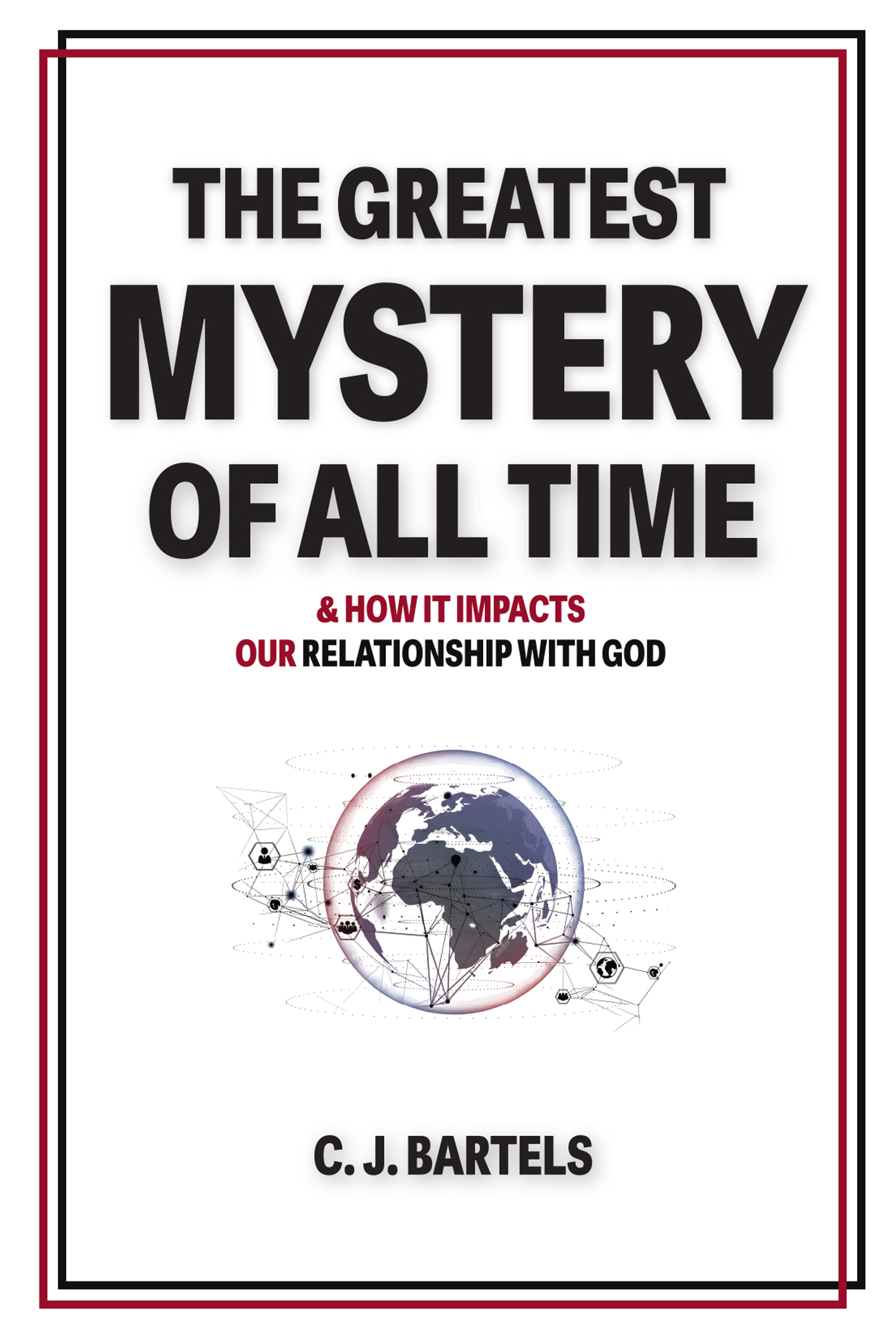
(Read more in “The Greatest Mystery Of All Time”)
Matter Of Fact Books Highlighted Series
Click image to find out more.
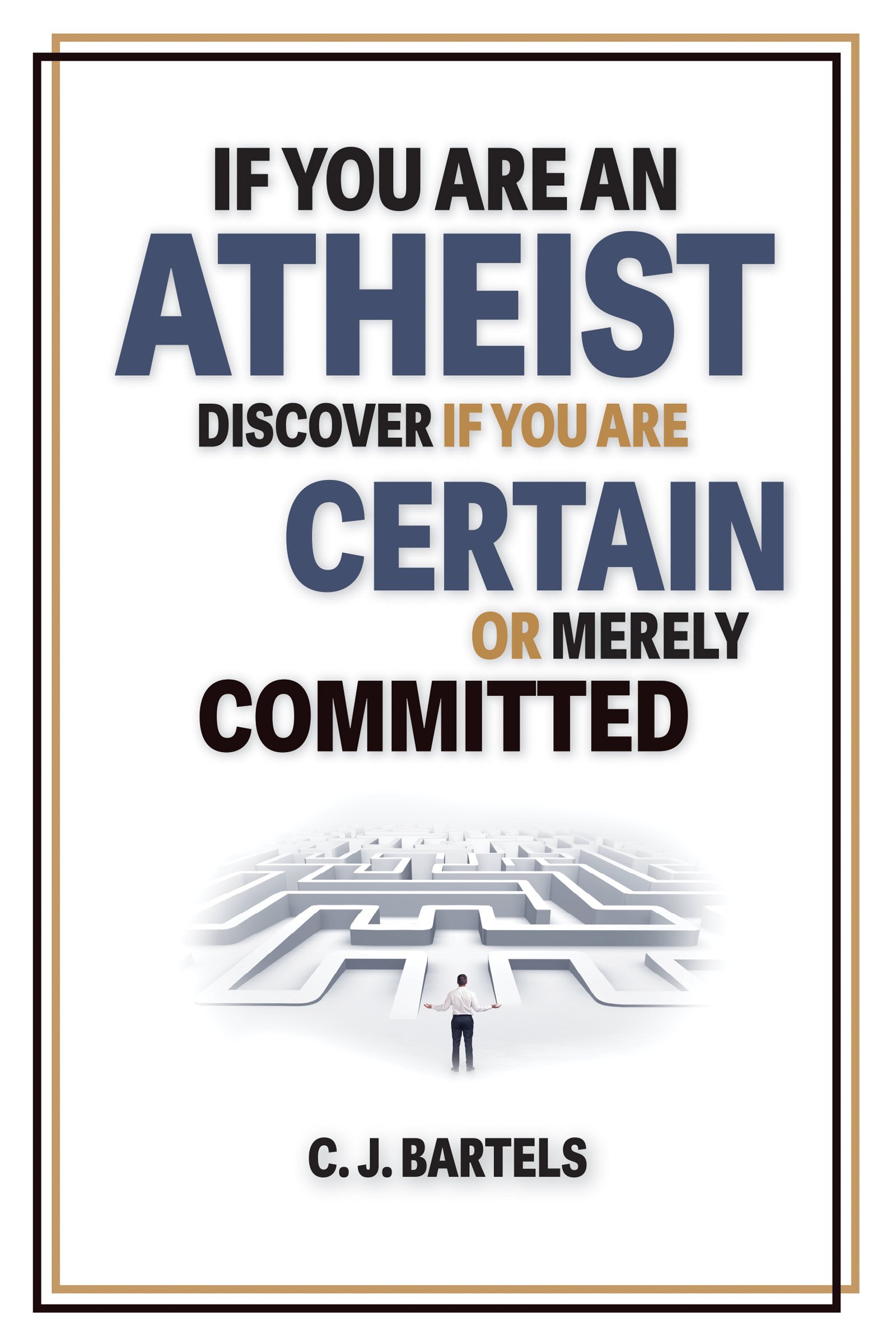
For Atheists, Agnostics, or even theChristian that wants to discover why belief in a creator is more rational than you may think.
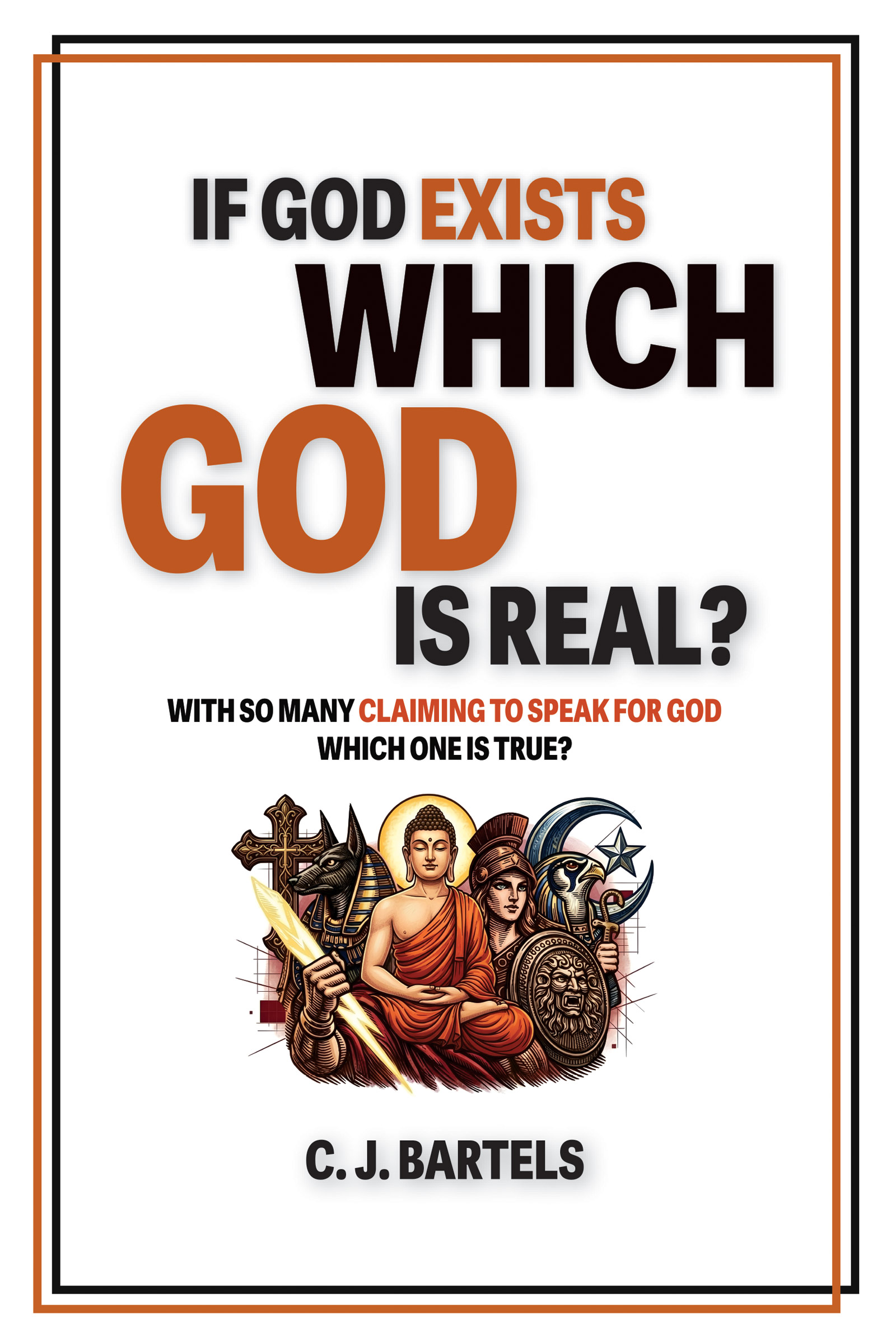
For anyone seeking to discover whether all religions lead to God—or whether one alone reveals who He truly is.
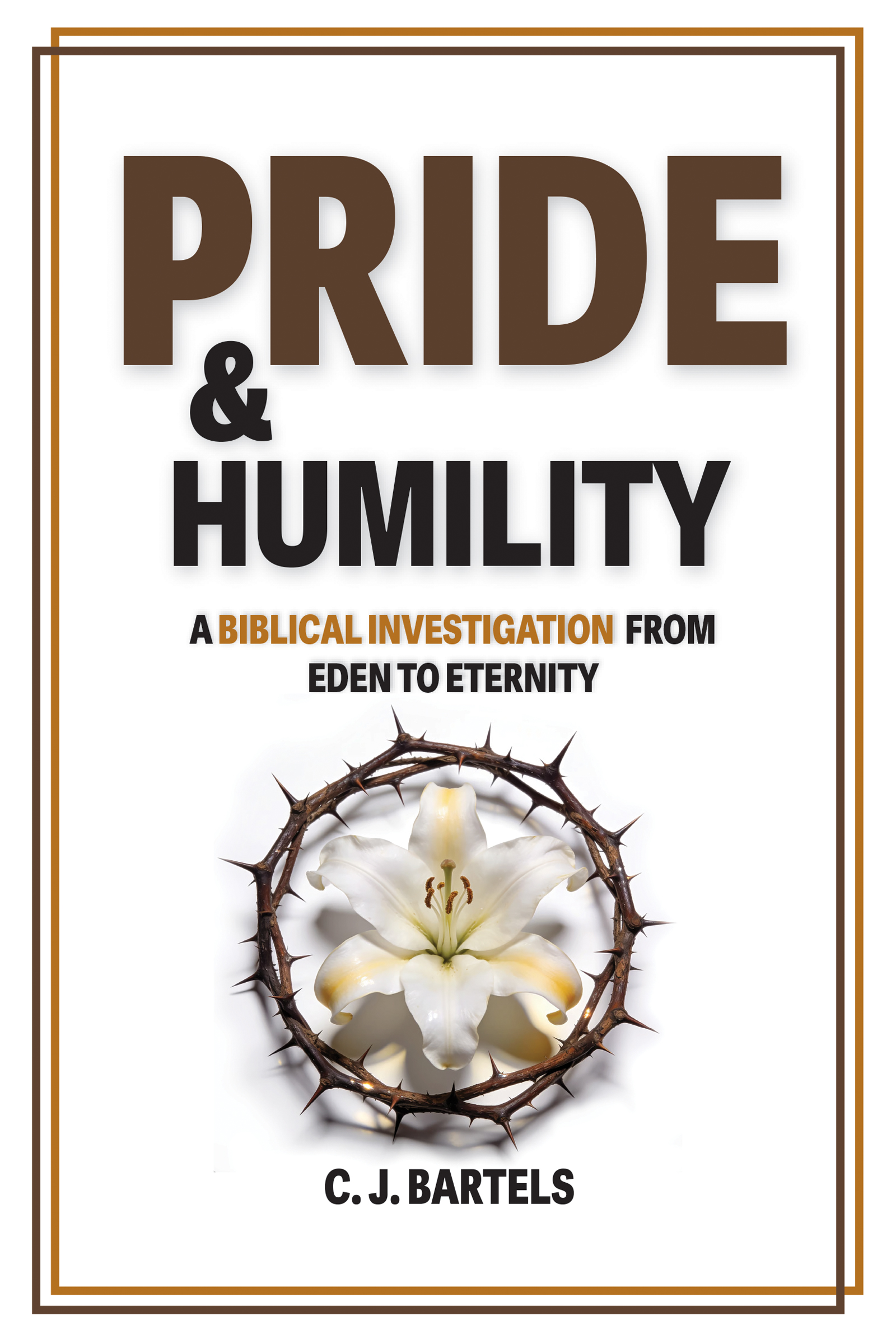
For anyone seeking to discover why the greatest obstacle to knowing God may not be disbelief—but pride.
Additional Matter Of Fact Books
Click image to find out more.




Matter Of Fact Books
Our books are priced to sell and change lives.