Matter Of Fact Books

Matter of Fact Books grew out of more than eleven years of Bible study, weekly conversations with a devoted group of friends, and a determination to find answers to the many questions that had to be resolved before I could honestly say, “I am a Christian.”
Every book is written from the conviction that faith should never fear honest questions and that truth can withstand careful investigation. The ideas behind these pages were forged through reading the Bible, wrestling with what it truly says, and refusing to settle for easy or convenient answers. They were also shaped during countless late nights filled with spirited debate, laughter, and friendships that brought both honesty and contradiction.
I have been blessed with an incredible group of friends. We’re the kind of friends who share a good scotch, ask difficult questions, challenge each other without mercy, and refuse to let shallow answers survive around the table. No opinion is protected from scrutiny, no assumption is accepted simply because it is familiar, and no one is offended when their ideas are put to the test. Those conversations weren’t side notes to the writing process—they were an essential part of it.
If these books encourage you to think more deeply, question more honestly, and pursue truth wherever it leads, then they have accomplished exactly what they were intended to do. Enjoy!
Epistemology
Why Evidence No Longer Ends the Argument
Many of the books presented on this site provoke strong reactions. That reaction is rarely because the writing is careless or malicious. It is because these books ask questions that modern culture has quietly decided should no longer be asked. The discomfort they cause does not come from their conclusions alone, but from the fact that they challenge how conclusions themselves are reached.
At the center of this tension is a concept most people have never been taught to name: epistemology. Epistemology is the study of how we know what we know. It asks what counts as knowledge, what qualifies as evidence, who gets to define truth, and whether truth is discovered through inquiry or declared by authority. When public arguments spiral endlessly without resolution, it is often because the disagreement is not about facts at all, but about the rules being used to determine what is allowed to count as true.
In a healthy intellectual culture, factual arguments rely on observable reality, stable definitions, logical consistency, and claims that can be tested or disproven. Evidence matters, and disagreement is treated as part of the process of refinement. In contrast, many modern debates operate within an identity-based framework, where truth is grounded primarily in personal experience, moral framing, social consensus, or emotional safety. These frameworks are not inherently malicious, but problems arise when identity-based truth replaces fact-based reasoning while still claiming the authority of science or objectivity.
This is why facts so often fail to end arguments today. When a belief becomes tied to personal identity, moral worth, or group belonging, questioning it no longer feels like an intellectual exercise. It feels like a personal attack. At that point, evidence does not function as a tool for clarification; it becomes a threat. The human mind responds by defending the belief, not because it is necessarily correct, but because losing it would feel destabilizing.
A clear example of this epistemological conflict can be seen in contemporary discussions about biology and identity. From a biological standpoint, humans are a sexually dimorphic species. Reproductive biology recognizes two sexes, defined by gamete type. This is a descriptive claim rooted in physical reality and remains mainstream within the life sciences. At the same time, modern culture increasingly treats gender as an internal identity, independent of biological sex and defined by self-identification. The conflict here is not primarily about compassion, dignity, or respect for individuals. It is about which epistemological rule applies. Is this category grounded in material reality, or is it grounded in internal experience? Once a category shifts from descriptive to identity-based, disagreement is no longer treated as inquiry. It is treated as harm, and questioning becomes morally suspect rather than intellectually valid.
This same epistemological shift appears across religious, political, and philosophical debates. Christians are often told that certain moral conclusions are “settled,” even when they conflict directly with Scripture. Muslims may be discouraged from critically examining foundational claims about their faith. Atheists sometimes treat disbelief not as a philosophical position requiring justification, but as a settled certainty immune from scrutiny. In political discourse, justice is often defended only when it aligns with one’s side, while being opposed when it threatens group narratives. In each case, the issue is not belief itself, but how belief is justified and protected.
The books offered here exist within that tension. They are not written to provoke outrage or demand conformity. They are written to reintroduce an idea that has become quietly dangerous: that deeply held beliefs should be examined using the same standards we apply to any claim that asserts truth. They assume that sincerity does not equal correctness, that moral conviction does not exempt an idea from scrutiny, and that agreement is not the same as evidence.
When societies abandon shared epistemological standards, language becomes unstable, institutions lose credibility, justice becomes selective, and power gradually replaces persuasion. History shows that when truth is determined by consensus or authority rather than correspondence with reality, the results are not liberating but corrosive.
These books do not require agreement from the reader. What they ask for is engagement. They invite Christians, Muslims, atheists, and skeptics alike to consider a question that modern culture increasingly avoids: am I certain because something is true, or because it feels safer not to question it? That question is epistemological, and answering it honestly is often uncomfortable. But it is also the beginning of intellectual freedom.

C. J. Bartels
C. J. Bartels, founder of Matter of Fact Books, is a first-generation American who has flown helicopters in Korea, Europe, and throughout the Middle East. While working in China, he met his future wife’s parents. Twelve months later, while stationed in Germany, he met their daughter, who would become his wife and the mother of their four wonderful children.
Together they have built the home they still live in, raised a family, recorded music that didn’t sell nearly as well as he had hoped, spent weeks at a time fishing with friends who somehow still choose to remain friends, and pursued more than a few ventures that didn’t always go according to plan. Through every success, disappointment, adventure, and detour, one conviction has remained constant: the pursuit of truth is always worth the journey.
Welcome to Matter Of Fact Books.
For Booksellers and Retailers
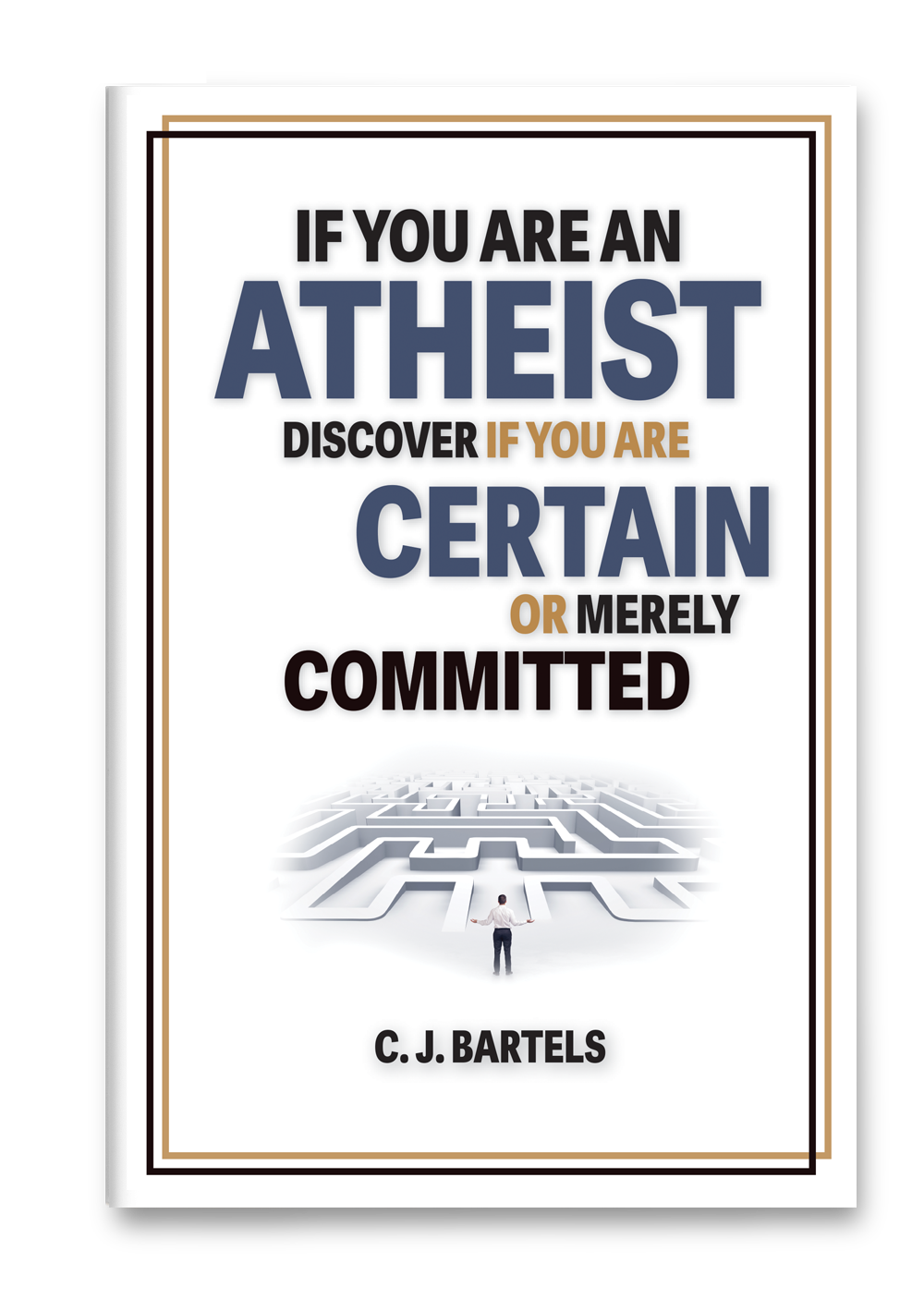
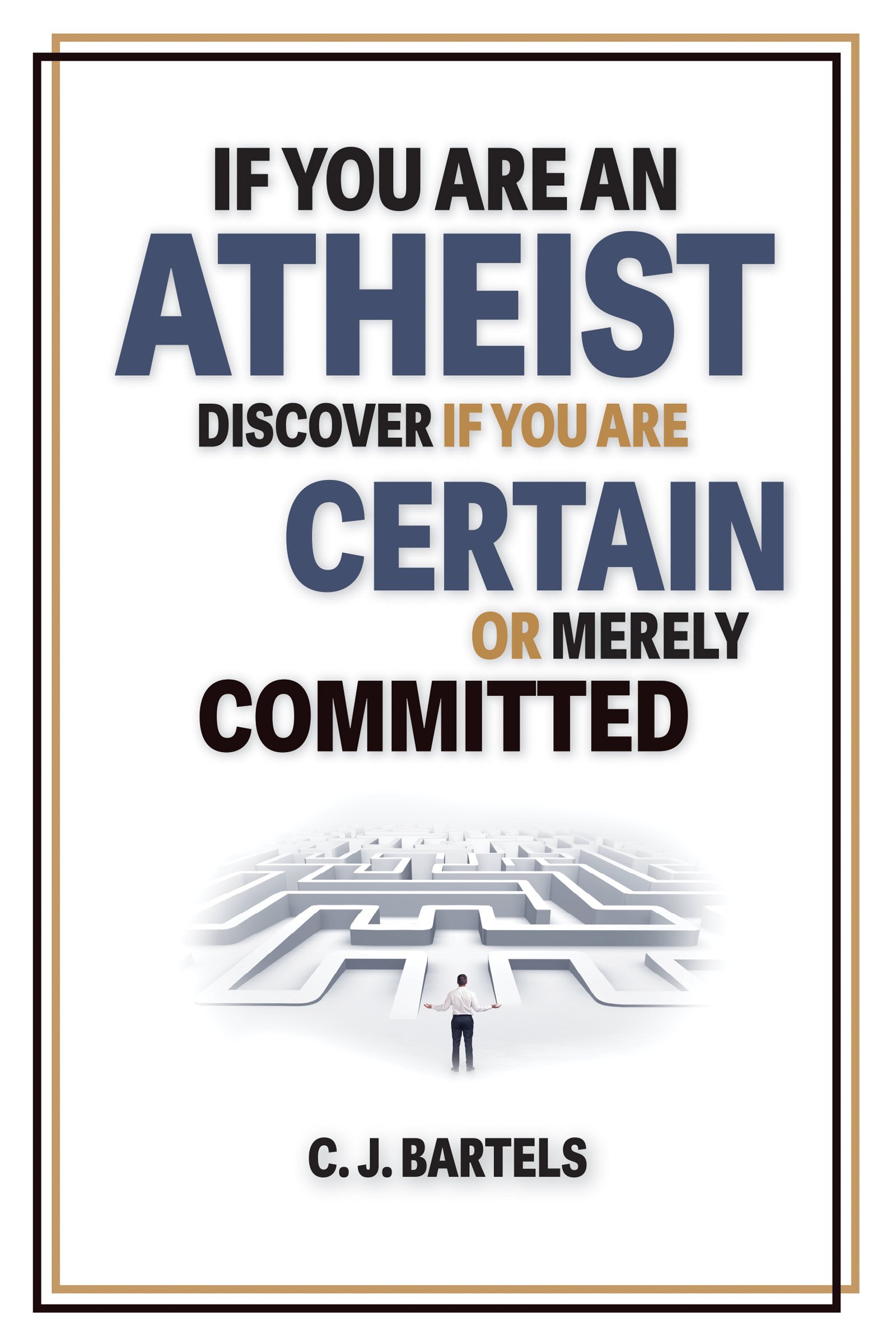
Title – If You Are An Atheist, Discover If You Are Certain or Merely Committed
Author – C. J. Bartels
ISBN – 978-0-9715734-6-8
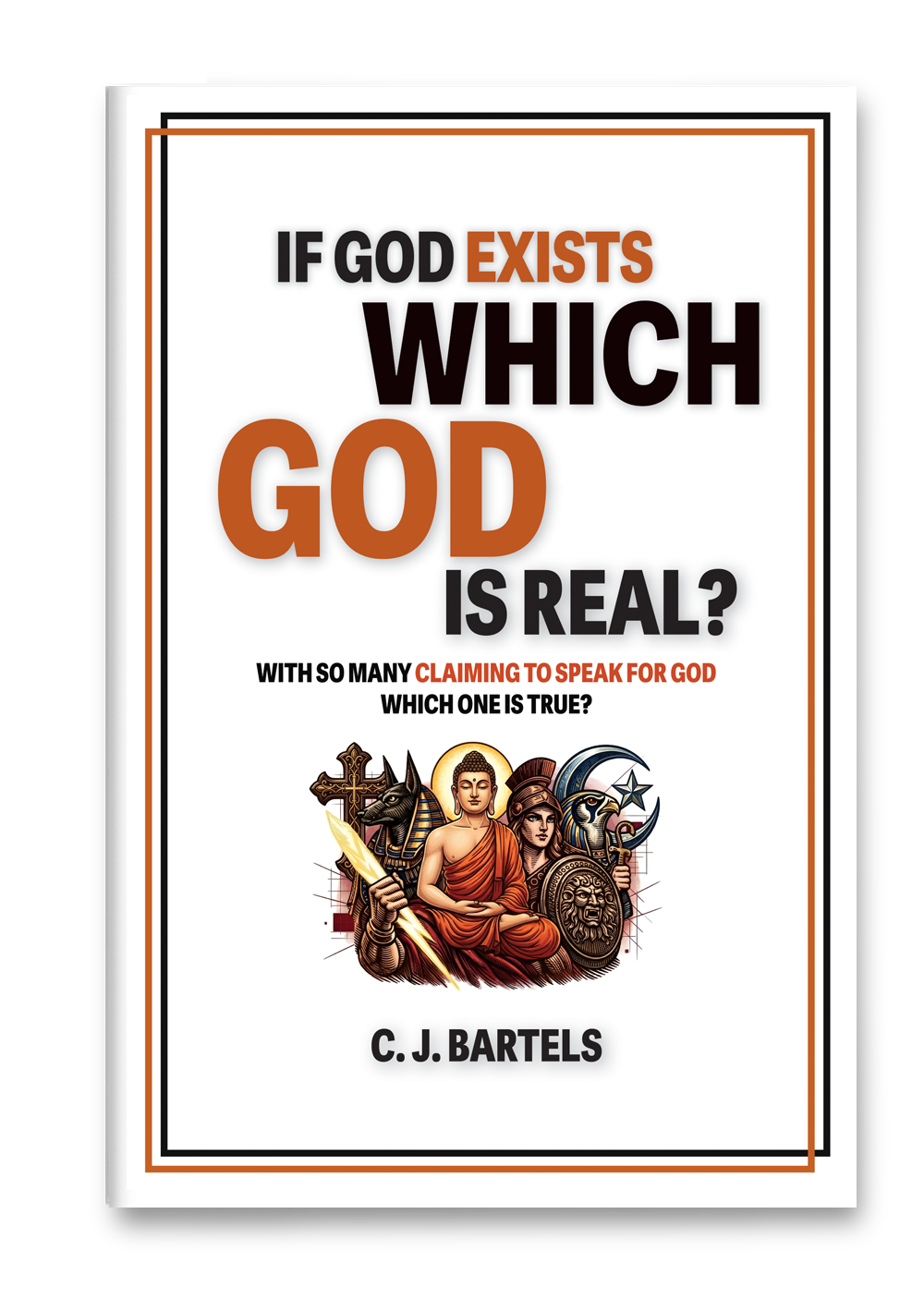
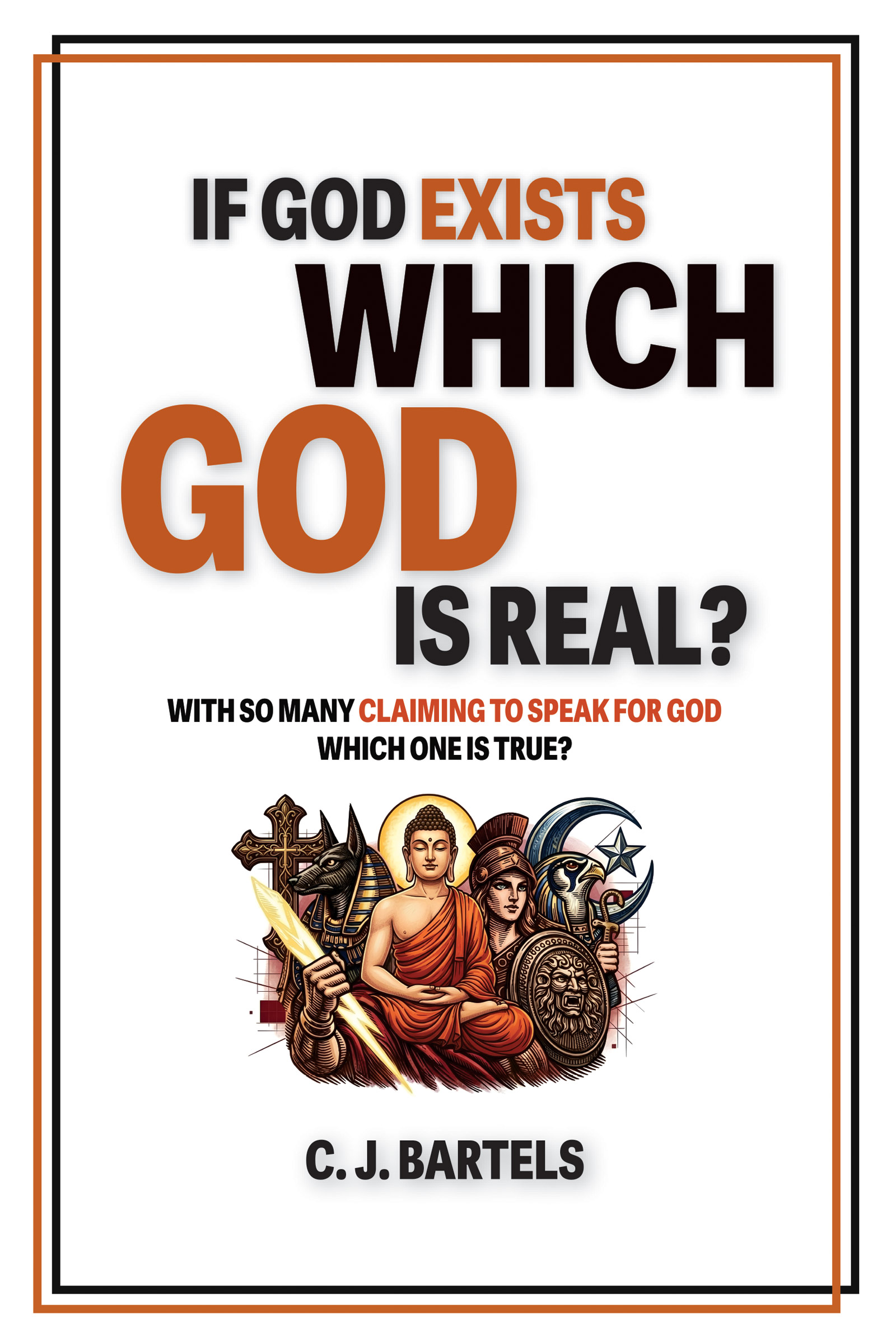
Title – If God Exists, Which One Is Real?
Author – C. J. Bartels
ISBN – 978-0-9715734-7-5
Second in Series of Three from Finding God Series
Additional Matter Of Fact Books
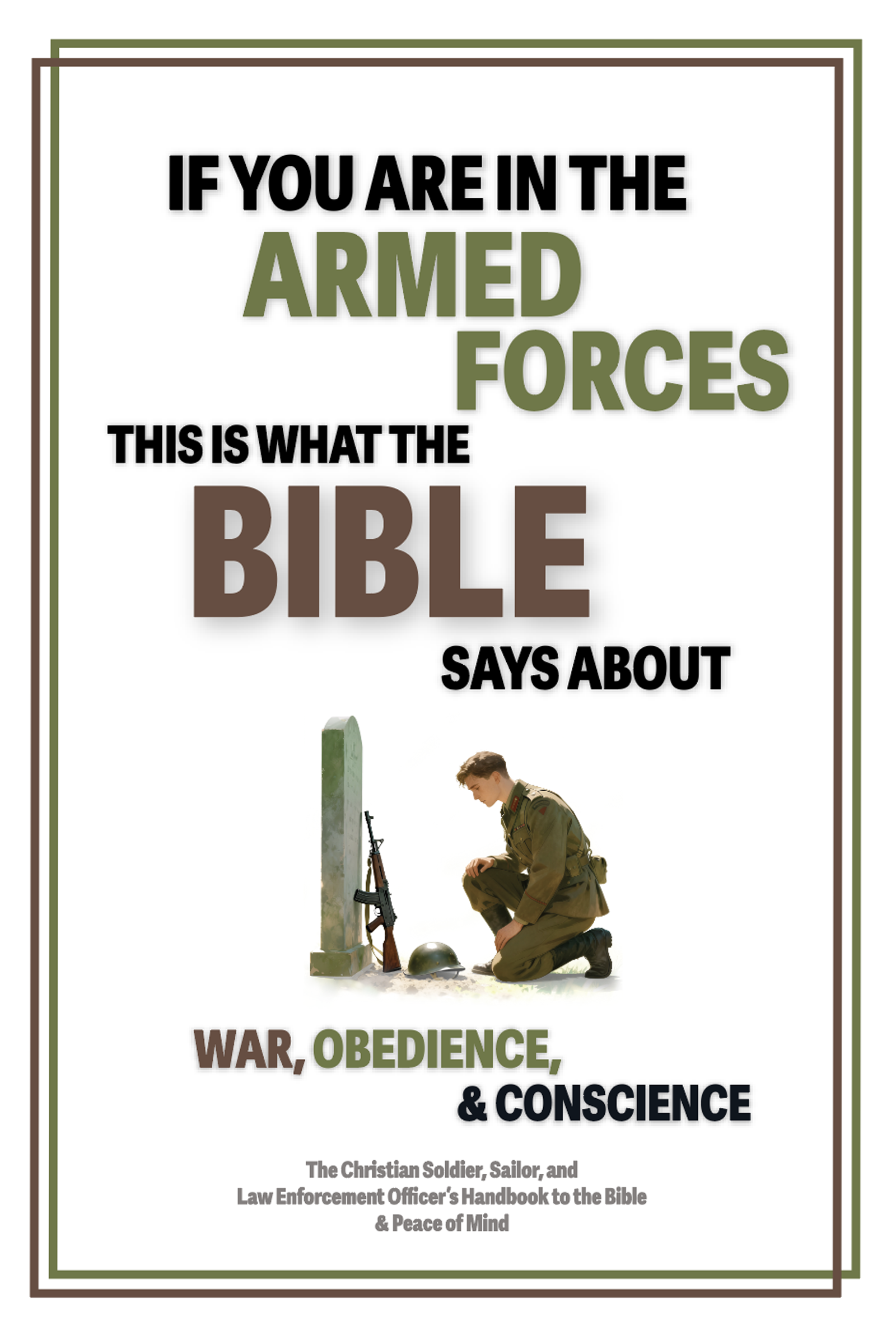
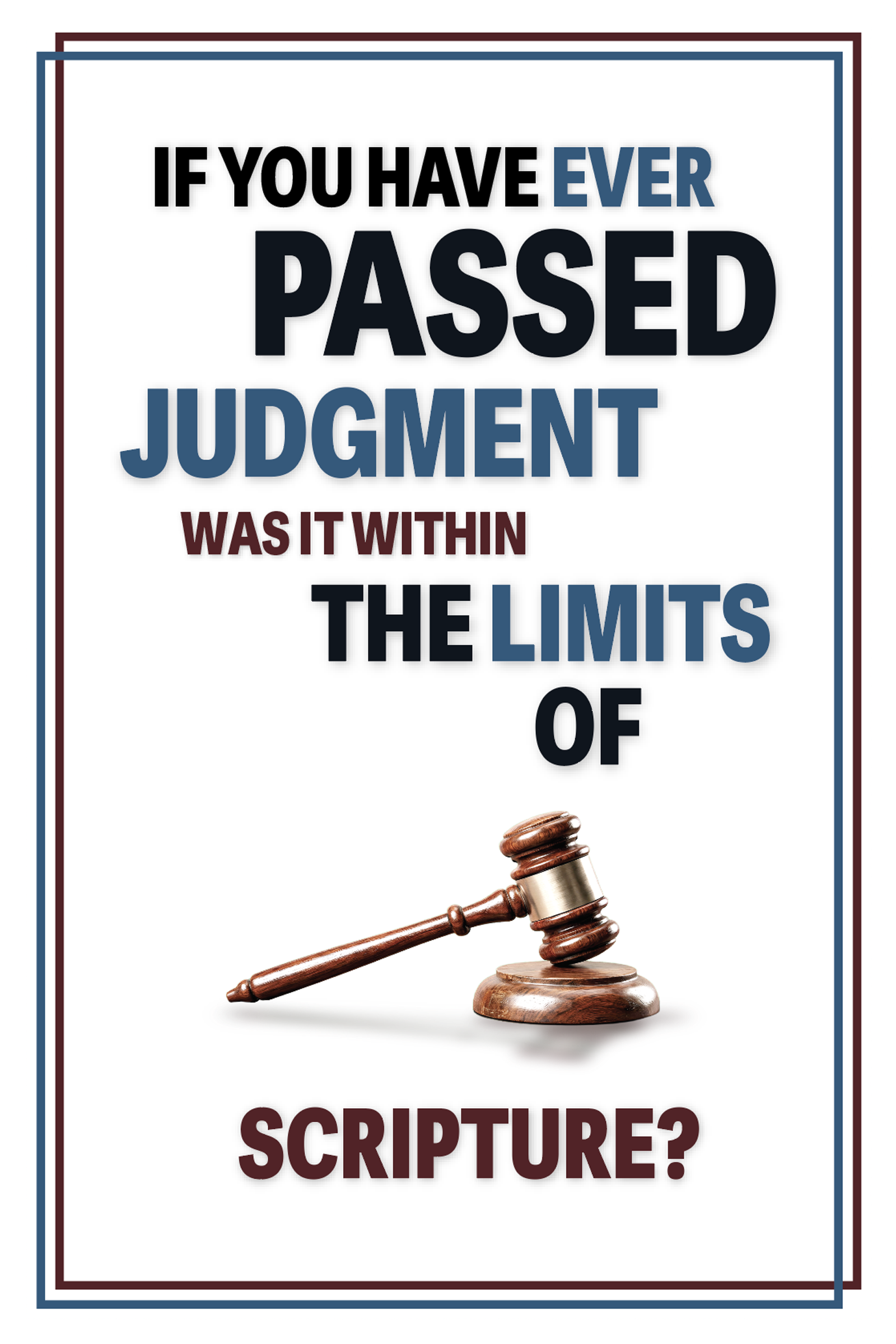
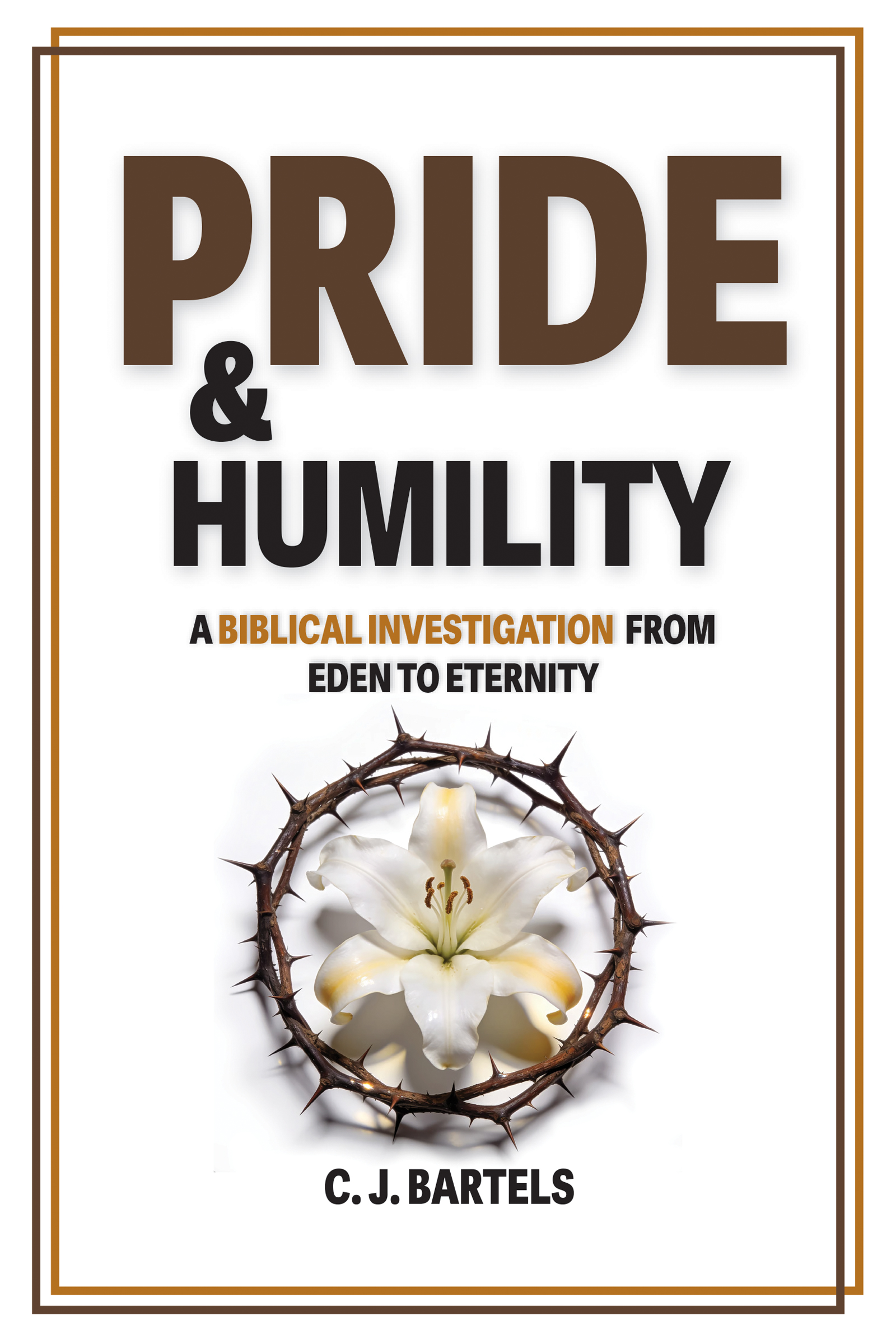
Click image to find out more.

Matter Of Fact Books
Our books are priced to sell and change lives.